What Are Interference Fields and Why They Matter for Healing
Interference fields are areas in the body where past trauma, surgery, or chronic irritation disrupts nervous system communication. Learn how they may contribute to ongoing pain, tension, and healing challenges and how gentle, holistic therapy can help restore balance.
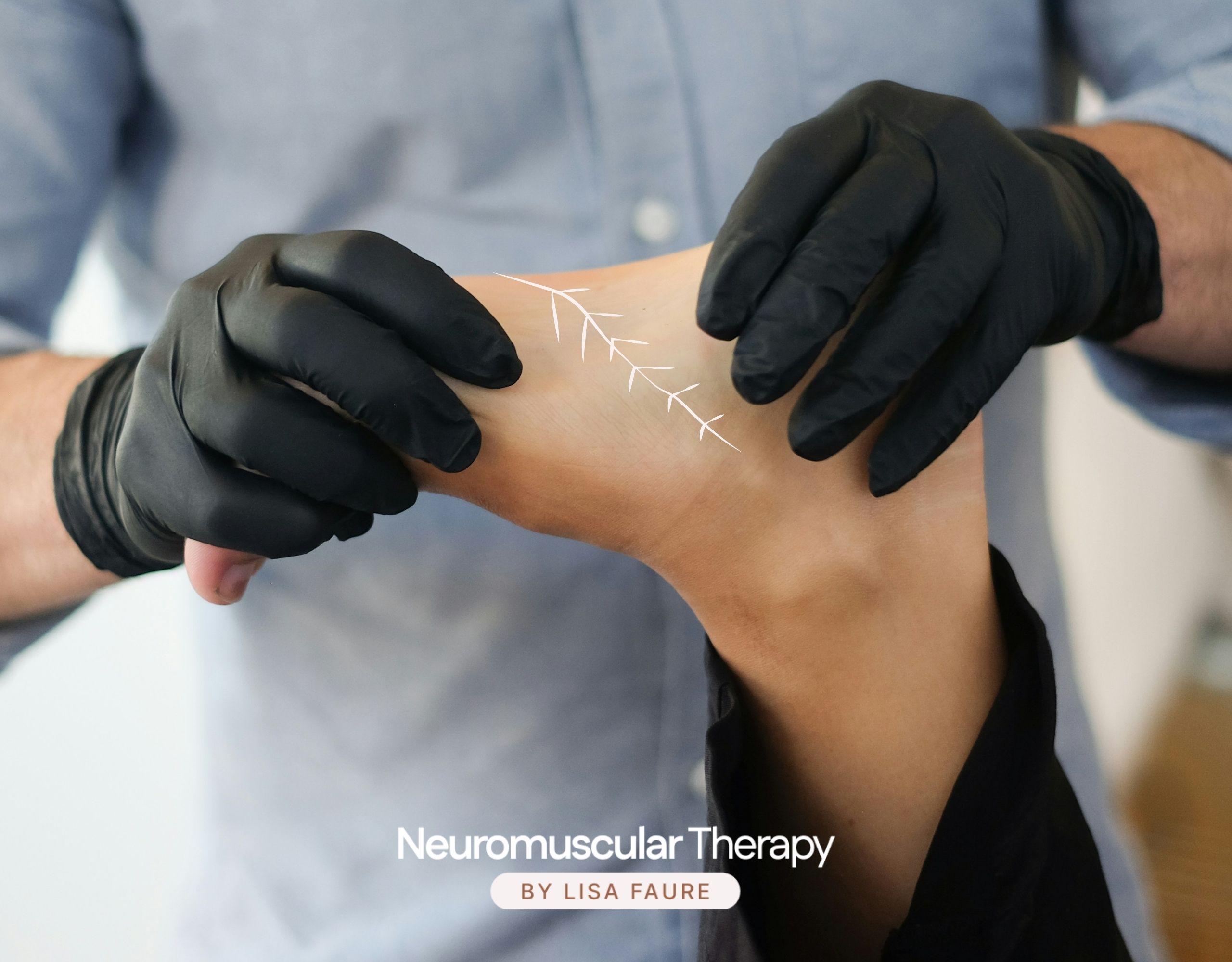
What Are Interference Fields and How They Can Affect Your Health
If you have ongoing pain, chronic tension, or symptoms that do not fully resolve despite treatment, an interference field may be part of the reason. Interference fields are areas in the body where past trauma, surgery, or chronic irritation disrupts normal communication within the nervous system. These disruptions can interfere with how the body heals and functions, even years after the original injury has healed.
Interference fields are commonly discussed in holistic, neuromuscular, and integrative therapies because they can contribute to pain patterns, muscle imbalances, fatigue, and nervous system stress.
What Causes Interference Fields
Interference fields often develop after physical or chemical stress to the body. Common causes include eyes, surgical scars, dental procedures, old injuries, infections, burns, tattoos, piercings, and chronic inflammation. Even if a scar or injury looks healed on the surface, the underlying tissue and nerves may still be sending altered signals to the brain and nervous system.
The nervous system relies on clear electrical signaling to regulate movement, muscle tone, organ function, and healing. When an interference field is present, it can act like static in the system, disrupting communication between the brain and the affected area.
How Interference Fields Impact the Body
Interference fields can affect the body in both local and distant ways. A scar on the abdomen may contribute to hip or low back pain. Dental work may influence neck tension, headaches, or jaw discomfort. Old injuries can alter posture and movement patterns, leading to compensation and strain elsewhere in the body.
Symptoms associated with interference fields may include chronic pain, restricted movement, muscle weakness, nerve irritation, poor recovery from injury, digestive issues, fatigue, or a general feeling that the body is not responding fully to treatment.
Identifying Interference Fields
Interference fields are not always visible through standard imaging. They are often identified through a combination of health history, physical assessment, muscle testing, and nervous system response. By observing how the body reacts to specific stimuli, a practitioner can identify areas that may be disrupting normal function.
This approach looks at the body as an integrated system rather than focusing on isolated symptoms.
How Interference Fields Are Addressed
Treatment focuses on calming the nervous system and restoring proper communication within the body. This may include gentle neuromuscular therapy, manual techniques, muscle testing guided corrections, scar release work, and nervous system regulation strategies.
The goal is not to force change but to support the body’s natural ability to heal once interference is reduced. When communication improves, muscles often relax, movement becomes easier, and chronic symptoms may begin to resolve.
Why Addressing Interference Fields Matters
Interference fields can keep the body stuck in a stress or protective pattern, preventing long term progress. Addressing them can help unlock healing that has been blocked, especially for individuals who feel like they have tried everything without lasting results.
By identifying and supporting these areas, treatment becomes more precise, personalized, and effective.
A Whole Body Approach to Healing
Interference fields remind us that the body is deeply connected and influenced by past experiences. Healing often requires looking beyond the site of pain and understanding how the nervous system responds as a whole.
Through a compassionate and individualized approach, it is possible to reduce interference, restore balance, and help the body move toward lasting comfort and resilience.

Chiropractic Care Didn't Fix My Back Pain. What Should I Try Next?

Neuromuscular Therapy vs. Deep Tissue Massage: What's the Difference?

Neuromuscular Therapy for Whiplash and Car Accident Injuries

Carpal Tunnel Treatment Without Surgery
Plantar Fasciitis Treatment

TMJ Jaw Pain Specialist in Scottsdale: How Neuromuscular Therapy May Help

How Neuromuscular Therapy Can Help With Sciatica Relief

Frozen Shoulder Therapy

Aftercare: How to Support Your Body After a Treatment

Understanding Fascia Lines and Myofascial Meridians: How Your Body Is Connected