Plantar Fasciitis Treatment
Plantar fasciitis can make walking, exercising, and everyday activities uncomfortable. Learn how neuromuscular therapy in North Phoenix may help address foot, heel, calf, and movement-related pain.
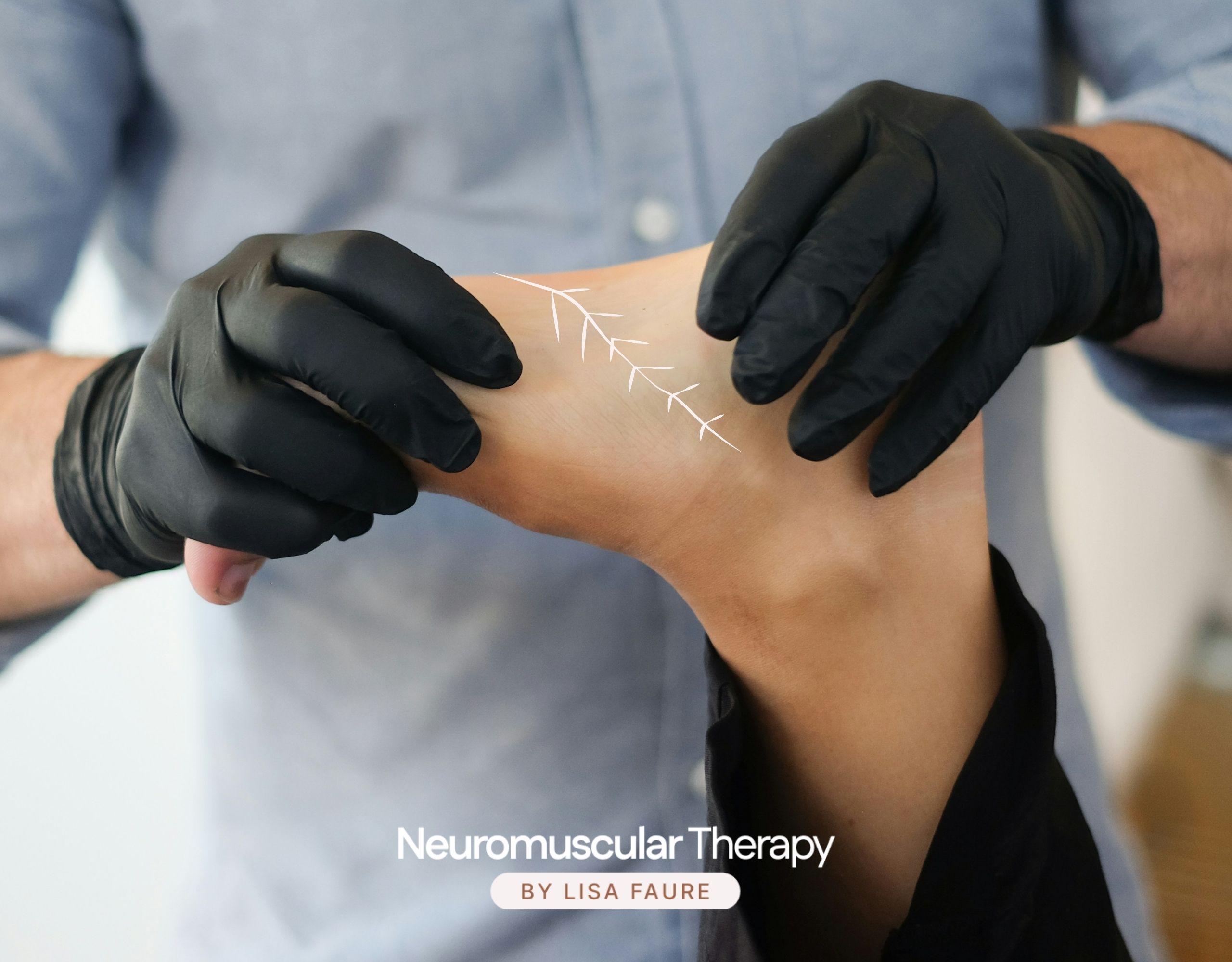
Heel and foot pain can make everyday activities feel difficult. Walking, standing at work, exercising, or even getting out of bed in the morning can become uncomfortable when plantar fasciitis is involved.
If you are looking for plantar fasciitis treatment in North Phoenix, neuromuscular therapy may help address some of the muscular and soft tissue factors that can contribute to ongoing foot and heel pain.
What Is Plantar Fasciitis?
Plantar fasciitis is a common cause of pain along the bottom of the foot, particularly around the heel. The plantar fascia is a strong band of connective tissue that runs from the heel toward the toes and helps support the arch of the foot.
Pain may be especially noticeable with the first few steps after getting out of bed or after sitting for an extended period. Some people also experience discomfort after prolonged standing, walking, running, or other activities.
While the foot is often where the pain is felt, the surrounding muscles and tissues can also play an important role in how the body moves.
How Neuromuscular Therapy May Help
Neuromuscular therapy takes a broader look at the body rather than focusing only on the area where you feel pain.
During a session, Lisa may evaluate areas such as the feet, calves, ankles, legs, hips, and other areas that can influence movement and muscular tension. Treatment is then tailored to the individual rather than following a one-size-fits-all approach.
The goal is to help address areas of muscular tension, movement restrictions, and soft tissue dysfunction that may be contributing to discomfort.
Why Treat More Than the Foot?
Your feet work as part of a larger movement system.
Tightness or altered movement in the calves, ankles, knees, hips, and other areas can affect how your foot absorbs and distributes forces when you walk or exercise. For some people, addressing these surrounding areas may be an important part of a comprehensive approach to foot pain.
This is one reason neuromuscular therapy can be different from simply focusing on the location of the pain.
What to Expect During Treatment
Your first session will include an assessment of your posture, movement, and areas of tension. Lisa will discuss your symptoms and work with you to determine which areas may need attention.
Treatment may include targeted neuromuscular techniques designed around your individual needs.
Some people may notice improvement after an initial session, while others may need multiple sessions depending on how long they have experienced symptoms and what contributing factors are involved.
Your response to treatment can also help determine what areas should be addressed in future sessions.
When Should You Seek Help for Heel Pain?
Persistent heel or foot pain should not be ignored, especially if it is affecting your ability to walk, exercise, work, or participate in activities you enjoy.
If your pain is severe, follows an injury, causes significant swelling, numbness, or weakness, or does not improve, it is important to seek an appropriate medical evaluation. Neuromuscular therapy can be considered as part of a broader approach to managing musculoskeletal discomfort.
Plantar Fasciitis Treatment in North Phoenix
If you are searching for plantar fasciitis treatment in North Phoenix, Lisa Faure provides personalized neuromuscular therapy for clients dealing with foot, heel, and movement-related pain.
With more than 38 years of experience as a nationally licensed massage therapist and extensive training in neuromuscular and myoskeletal therapy, Lisa takes an individualized approach to each client.
The goal is not simply to work on the painful spot. It is to look at how your body is moving as a whole and identify areas that may be contributing to your symptoms.
If heel or foot pain is limiting your daily life, schedule an appointment to discuss whether neuromuscular therapy may be appropriate for you.

Chiropractic Care Didn't Fix My Back Pain. What Should I Try Next?

Neuromuscular Therapy vs. Deep Tissue Massage: What's the Difference?

Neuromuscular Therapy for Whiplash and Car Accident Injuries

Carpal Tunnel Treatment Without Surgery
Plantar Fasciitis Treatment

TMJ Jaw Pain Specialist in Scottsdale: How Neuromuscular Therapy May Help

How Neuromuscular Therapy Can Help With Sciatica Relief

Frozen Shoulder Therapy

Aftercare: How to Support Your Body After a Treatment

Understanding Fascia Lines and Myofascial Meridians: How Your Body Is Connected