Muscle Testing: How It Helps Identify Imbalances and Support Healing
Discover how muscle testing works as a gentle assessment tool to uncover muscle imbalances, detect stressors, and guide personalized treatment for better movement and pain relief.

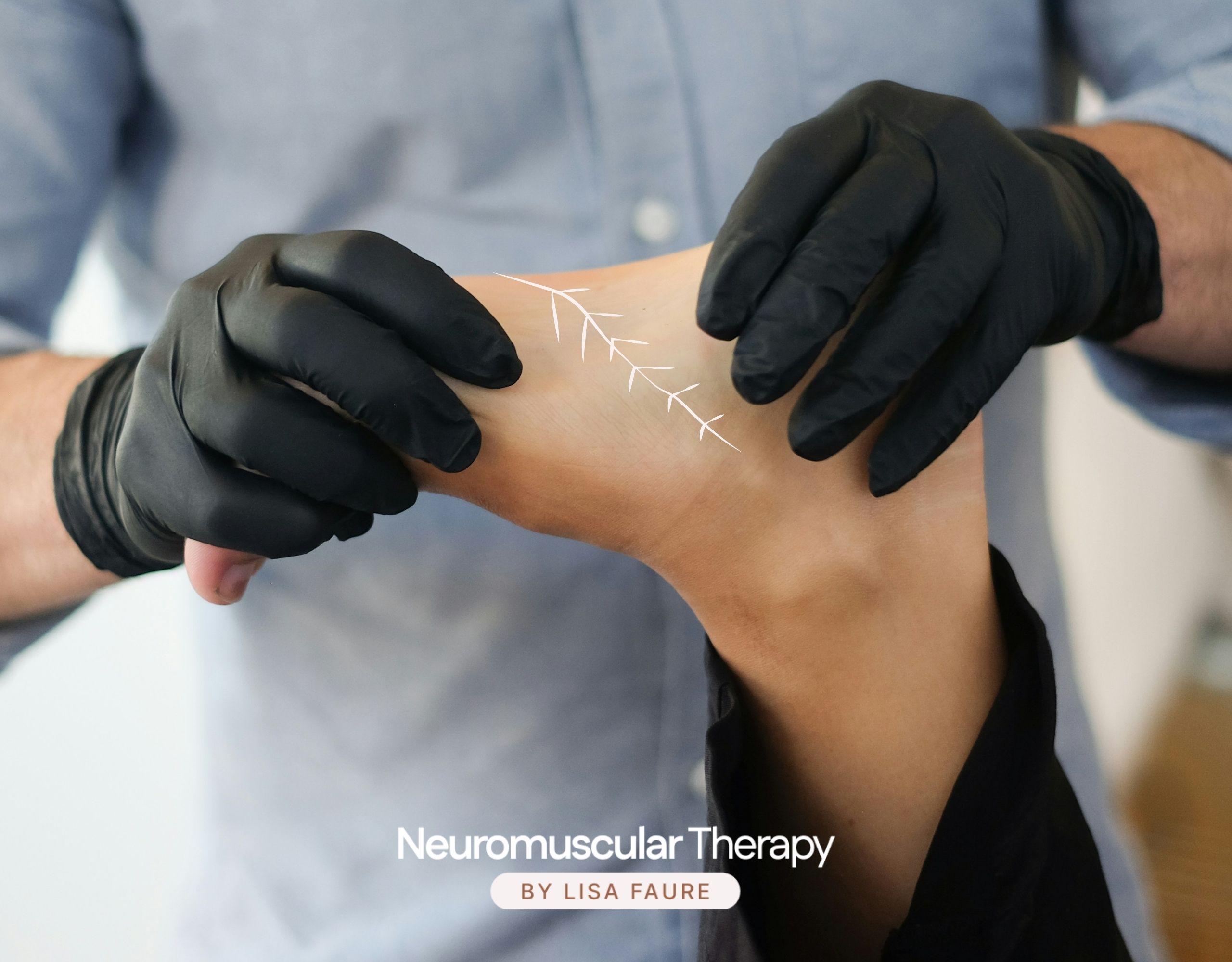
Muscle testing is a hands-on technique used by therapists to evaluate the strength and function of individual muscles in your body.
By assessing how muscles respond to gentle resistance, muscle testing helps reveal areas of weakness, imbalance, or stress that may be contributing to pain or limited movement.
Unlike standard strength tests, muscle testing focuses on subtle changes in muscle tone and neurological function. This allows practitioners to identify underlying issues that may not be obvious through imaging or traditional exams.
During a session, the therapist will apply light pressure to specific muscles while you gently resist. The quality of your muscle’s response provides clues about how well your nervous system and muscles are communicating. Areas that test weak or inconsistent often indicate compensation patterns, nerve interference, or underlying injuries.
Muscle testing is an essential part of neuromuscular therapy because it helps target treatment precisely where your body needs it most. By addressing these imbalances, therapy can reduce pain, improve posture, and restore optimal movement.
Many clients find that muscle testing sessions deepen their understanding of their own bodies, empowering them to take an active role in their healing journey. It is a safe, non-invasive tool suitable for people of all ages and health levels.
If you’re experiencing chronic pain, fatigue, or movement difficulties, please reach out. I can help answer any questions you may have about muscle testing can be a valuable step toward you finding lasting relief and balance.

Chiropractic Care Didn't Fix My Back Pain. What Should I Try Next?

Neuromuscular Therapy vs. Deep Tissue Massage: What's the Difference?

Neuromuscular Therapy for Whiplash and Car Accident Injuries

Carpal Tunnel Treatment Without Surgery
Plantar Fasciitis Treatment

TMJ Jaw Pain Specialist in Scottsdale: How Neuromuscular Therapy May Help

How Neuromuscular Therapy Can Help With Sciatica Relief

Frozen Shoulder Therapy

Aftercare: How to Support Your Body After a Treatment

Understanding Fascia Lines and Myofascial Meridians: How Your Body Is Connected